

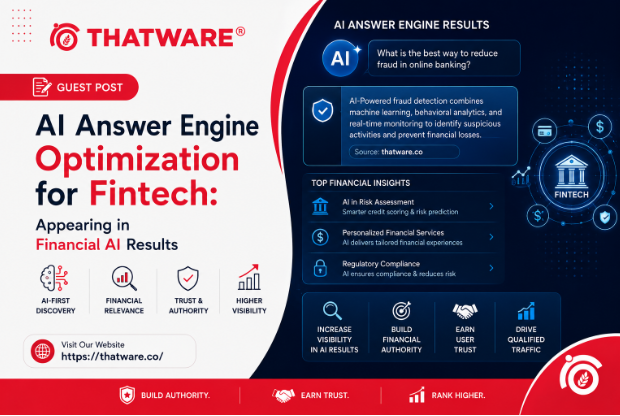
Fintech sits at an interesting intersection: it’s a heavily regulated, high-trust industry where accuracy is paramount — which makes it challenging for AI systems to reference confidently — and it’s also one of the fastest-moving sectors in terms of product innovation and consumer adoption of AI tools.
People are using AI assistants to research financial products, compare lenders, understand investment strategies, and navigate complex financial decisions. For fintech brands, appearing credibly in those AI-generated conversations is a significant competitive opportunity.
The Regulatory and Trust Dimension
Financial content exists under significant regulatory constraints, and AI systems are (appropriately) cautious about financial advice. This creates a distinction that fintech marketers need to internalize: there’s educational financial content, and there’s advisory financial content.
Educational content — “how does a HELOC work,” “what are the differences between a Roth IRA and a traditional IRA,” “what credit score is needed for a conventional mortgage” — is the kind of content AI systems will reference relatively freely, because it’s informational rather than prescriptive.
Advisory content — “should I refinance my mortgage right now,” “is this ETF a good investment” — is where AI systems are and should be cautious, often redirecting to financial advisors or including strong disclaimers.
Optimizing for fintech AI visibility means building excellent educational content that demonstrates expertise without crossing into personalized advice. The brands that establish themselves as credible financial educators become the sources AI systems cite when users ask educational financial questions — which are far more numerous than advisory ones.
What Fintech AI Optimization Looks Like
Author credibility is paramount. Financial content attributed to CFPs, CPAs, licensed advisors, or credentialed economists carries significantly more weight than anonymous editorial content. Investing in expert authorship and reviewer programs — where certified professionals review all published financial content — is a concrete step that improves both AI visibility and regulatory standing.
AI answer engine optimization for fintech also involves careful keyword and query mapping to identify which financial questions your brand is positioned to answer authoritatively. A mortgage lender should dominate the educational content around home financing. A robo-advisor should own the educational space around automated investing. Topical specificity and depth beat broad coverage every time.
Data-backed content — rate comparisons, fee analyses, market data summaries — earns citations because it provides specific, current information that AI systems can reference as authoritative. Maintaining regularly updated data resources is high-effort but high-value for fintech brands.
SEO for AI answer engines in fintech requires balancing depth with compliance — producing content that’s genuinely useful and citable while remaining fully within regulatory bounds. That balance is achievable, and the brands that achieve it own a significant piece of the AI-generated financial research space.